

DOCTORS
MENTORSHIP & TRAVELING SURGERY
Over-the-shoulder mentoring and traveling full arch surgery, in your own operatory, on your own patients.
Full Arch, Chairside
You do not need to wait twenty years to be the doctor who takes the hard case. The technology exists, the protocols exist, and the sequence can be taught. What most doctors are missing is someone experienced standing next to them the first several times they do it. Courses are a great start but mentorship takes you the rest of the way. That's where I come in.
Mentorship.
You operate. I coach.
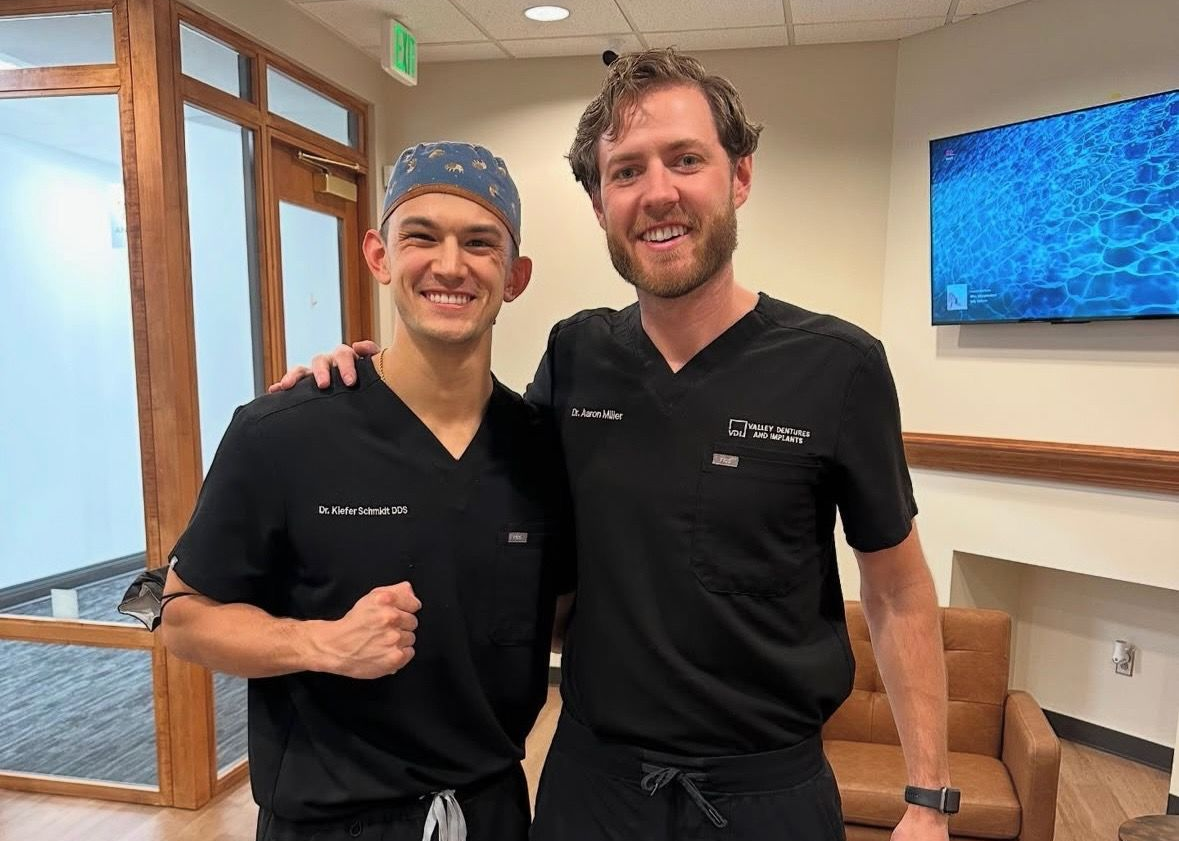
Mentorship built around your cases, your chair and your team. We plan real patients together, you cut the arch with me beside you, and you leave with the protocol to keep going after I fly home.
SURGERY.
I operate. You learn.
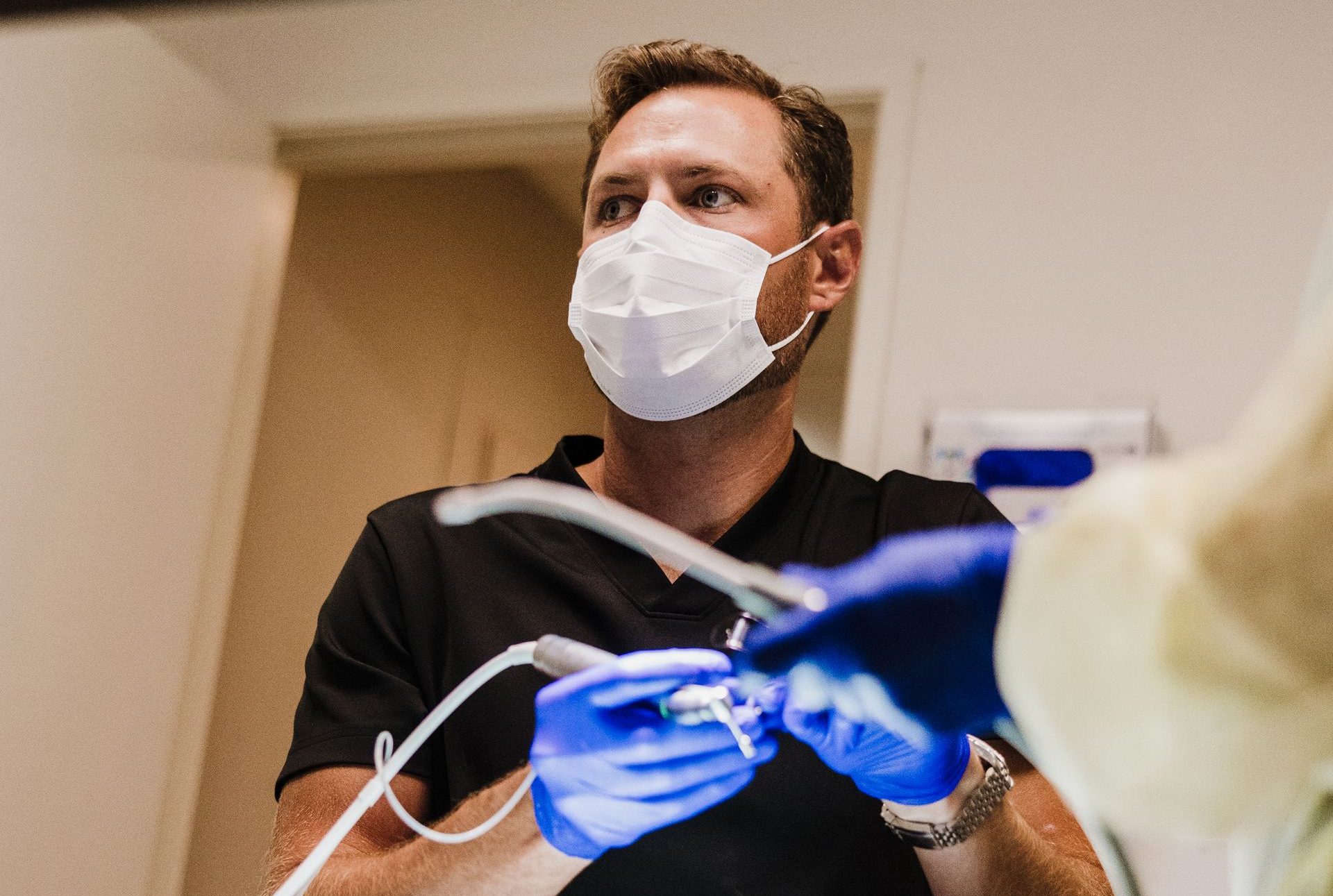
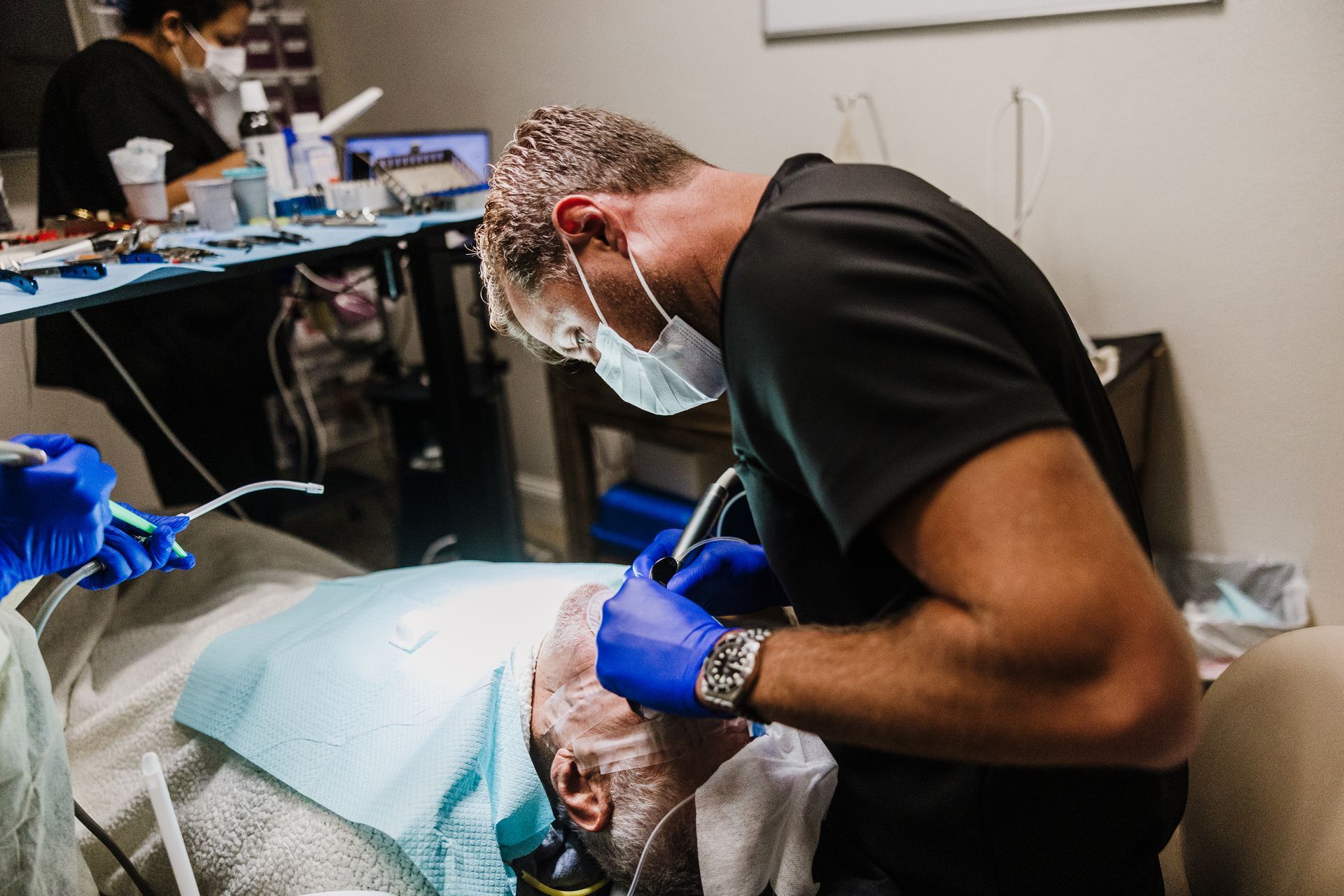
Zygomatic, pterygoid, palatal, revision of somebody else's arch, or revision of your own arch. When a case is out of your comfort zone or abilities, I fly in and do the surgery in your operatory. Your patient and the restorative work stay yours.
Surgical Mentorship
GUIDANCE THAT BUILDS RESULTS
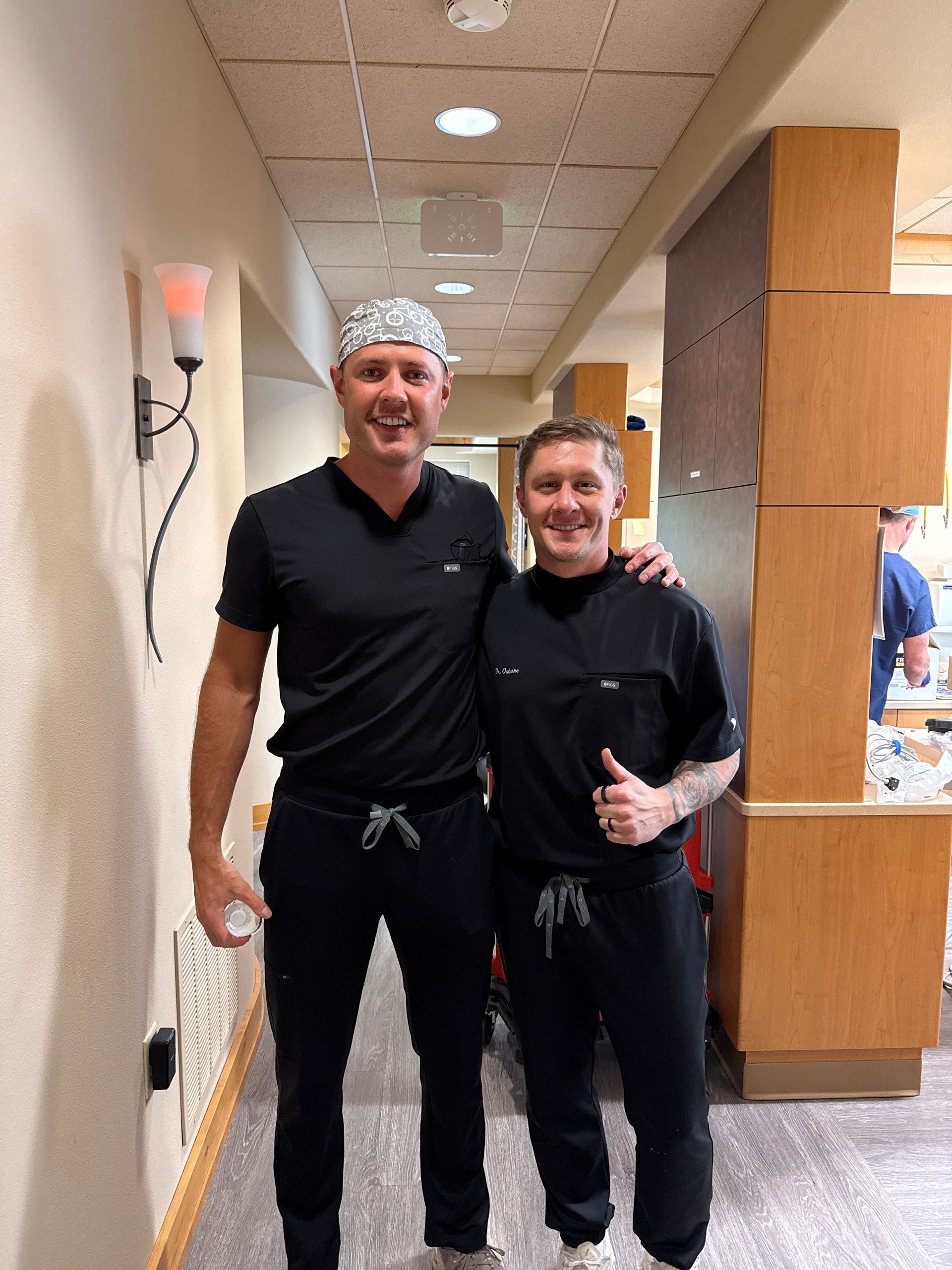
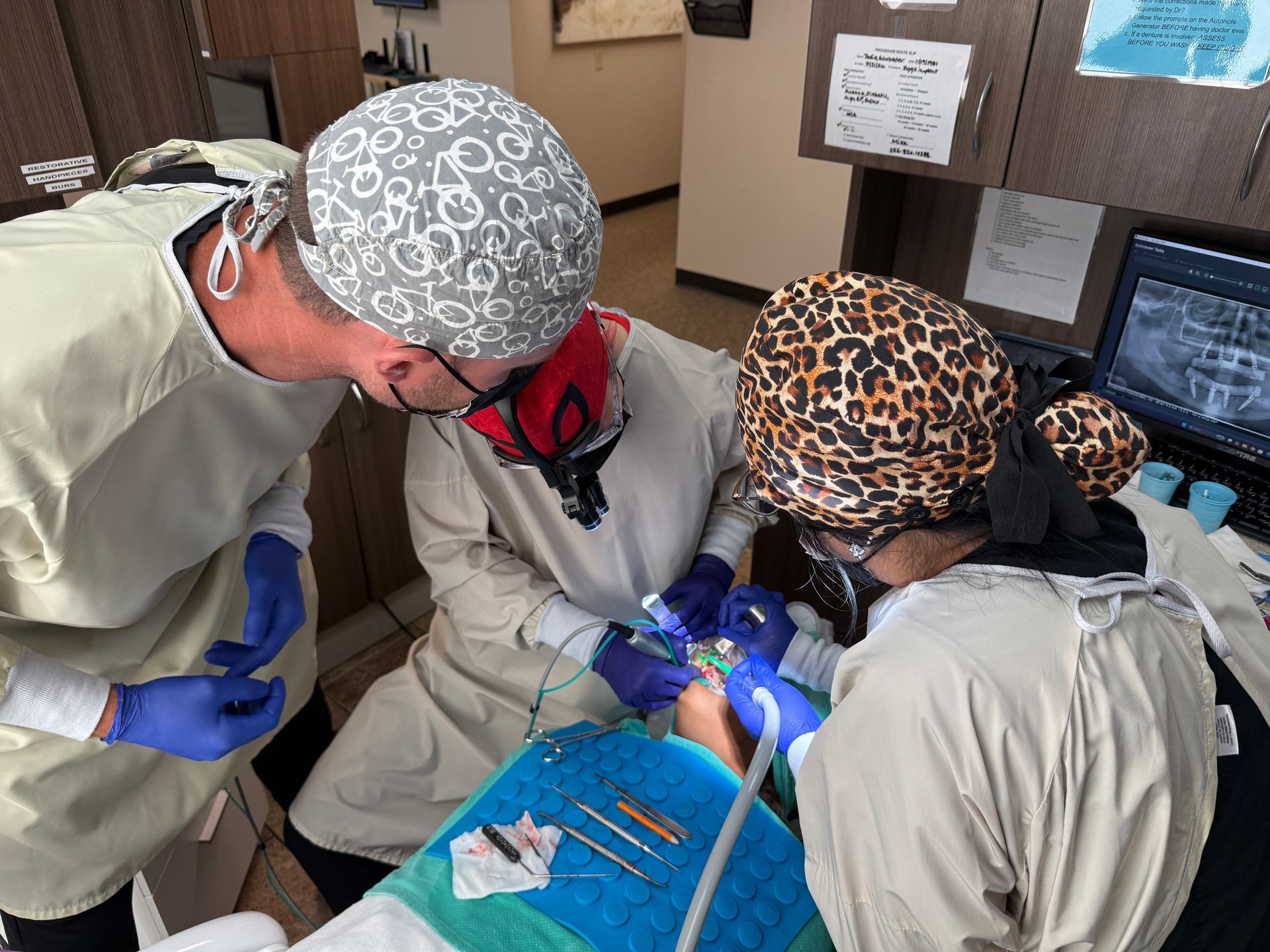
Most mentorships run 3 to 5 live surgery days over 3 to 6 months, built around your actual patients rather than a classroom calendar. We start with case planning on your own records, then I scrub in with you in your operatory, stepping back as your confidence builds. You leave with protocols built for your practice, plus open case review whenever you need a second opinion.

MENTORSHIP INCLUDES:
Case planning on your own records
CBCT review, case selection and prosthetic-driven planning on your patients. We review together to ensure you're prepared and confident.
Surgery days in your operatory
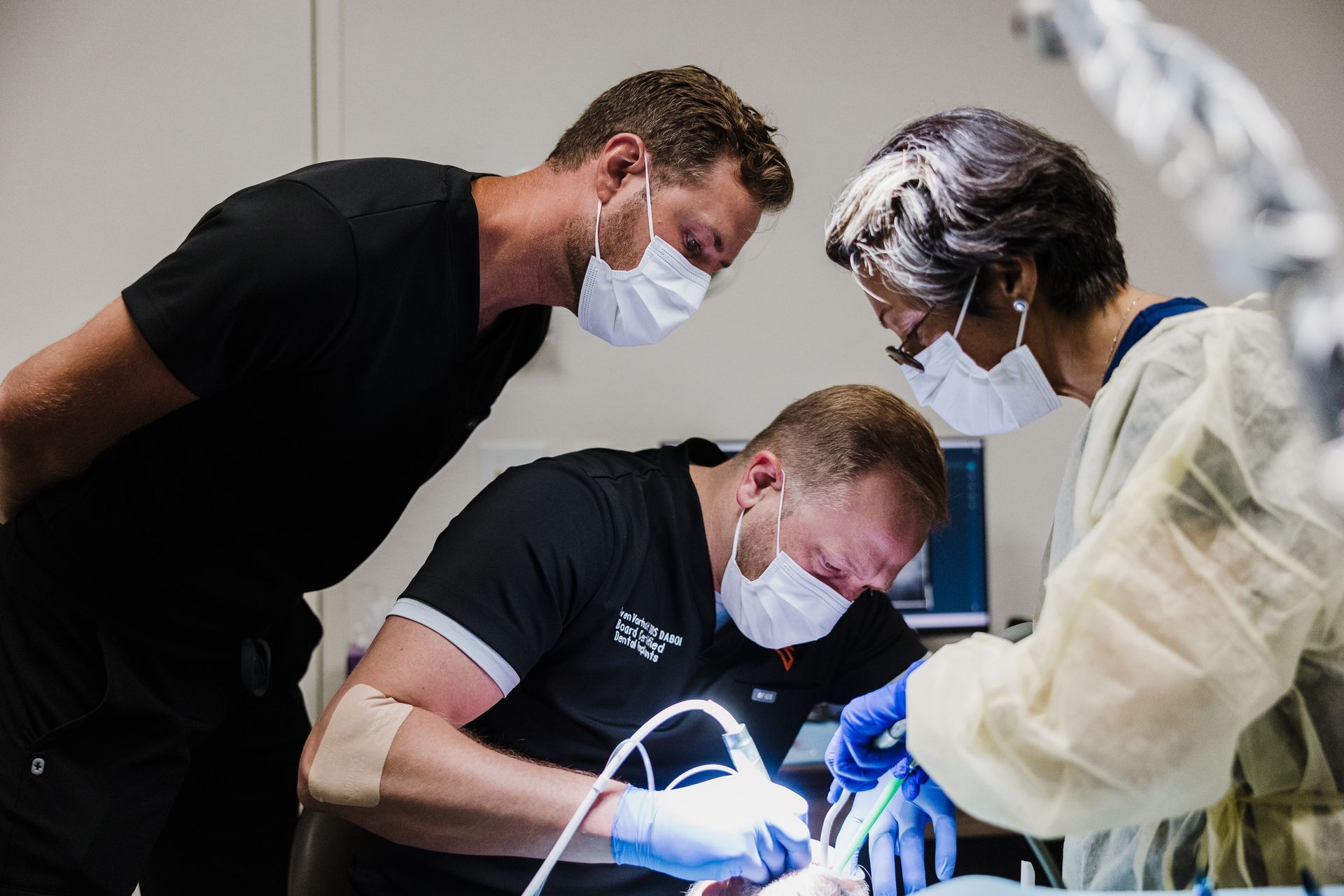
I scrub in with you. You hold the handpiece while I guide throughout the surgery. Get your questions answered in real time while your patient stays in your care.
Written protocols and tray setups
The checklists, sequences and instrument trays I use, so an arch day runs the same whether I am in the room or not.
Complication guidance
What to do when it does not go to plan, and how to talk your patient through the new plan.
Case review on call
Send a scan, get a plan and a second opinion. You'll get your questions answered as you continue to learn.
Mentorship Timeline
PLAN, OPERATE, REPEAT
STEP 1
Diagnosis & Planning
In a virtual consult, we read your CBCTs together, pick which of your patients is the right first case, and plan it backwards from the prosthesis.
STEP 2
Live Surgery Days
I come to your practice for the surgery days we've planned together. You operate, and I guide you in real time, step by step, through every part of the case. We'll debrief after for any remaining questions.
STEP 3
Solo & Supported
You run cases on your own, and I'm still available. Case review, complication questions, or anything else that comes up, reach out and we'll talk through it together.
Traveling Surgery
Refer the surgery, keep the patient.
Licensed in 13+ states.
Travel and case fees quoted per case.
What's Included:
01
Pre-surgical plan and workup review
Scan review, prosthetic plan, implant selection and a written surgical sequence sent before I arrive.
02
The surgery, in your operatory
xtractions, bone reduction, remote anchorage where it is indicated, multi-unit placement and immediate load.
03
Post-op instructions and follow-up
Written post-op protocol, and I am reachable for the healing phase and the restorative handoff.
CALL ME IN FOR:
Zygomatic implants
Pterygoid implants
Palatal approach
Atrophic maxilla
All-on-X revisions
FP1
Failed graft sites
Immediate load overdentures
Radiographs
Post-op films from my own cases.
Zygomatic, pterygoid, and palatal anchorage.
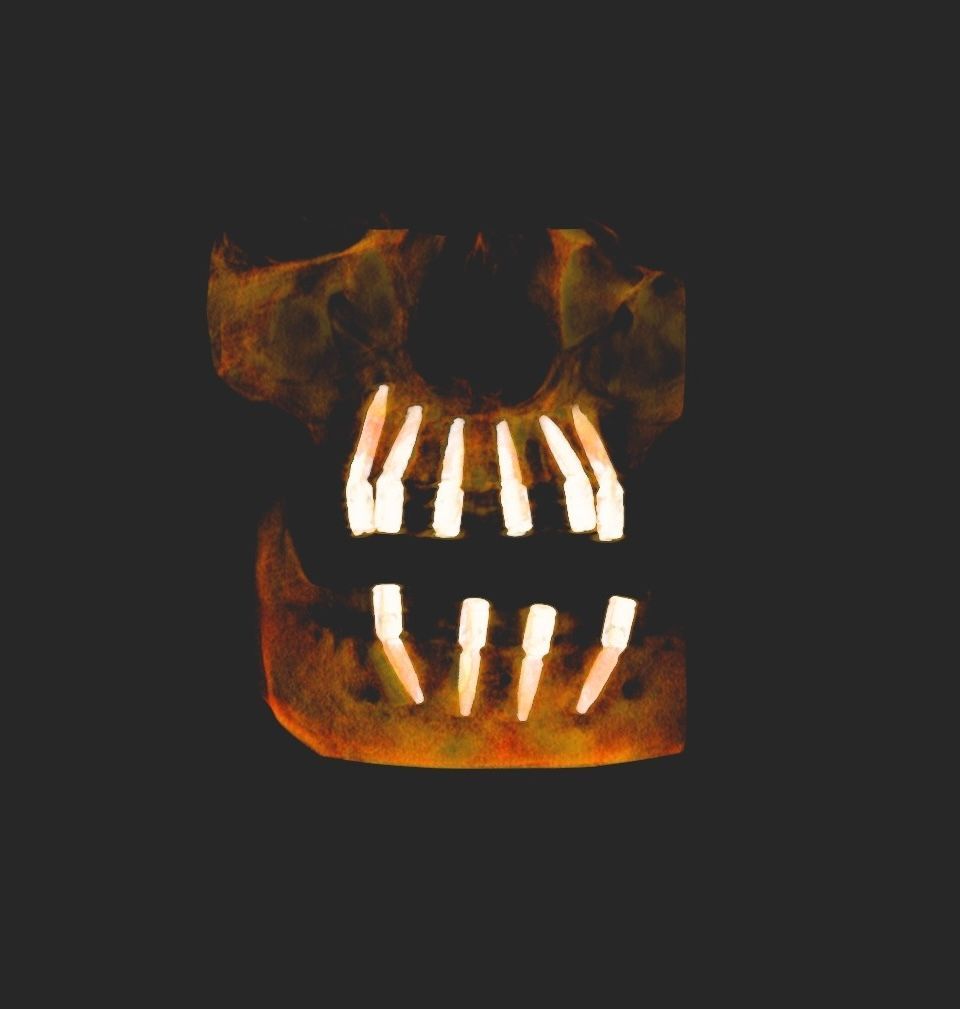
Pterygoid Support
Posterior support without a sinus graft, cantilever kept off the prosthesis. When All-on-4 is not enough.
Bilateral Zygomatic Implants
When posterior alveolar support is insufficient, adding remote anchorage for ideal A-P spread and primary stability is the next option.
Revision Case with Remote Anchorage
Removal, remote anchorage and immediate load in a single surgical day.
Radiographs are of treatment performed by Dr. Aaron Miller. Individual results vary, and no outcome is guaranteed for any patient or case.
Three doctors who get the most out of this
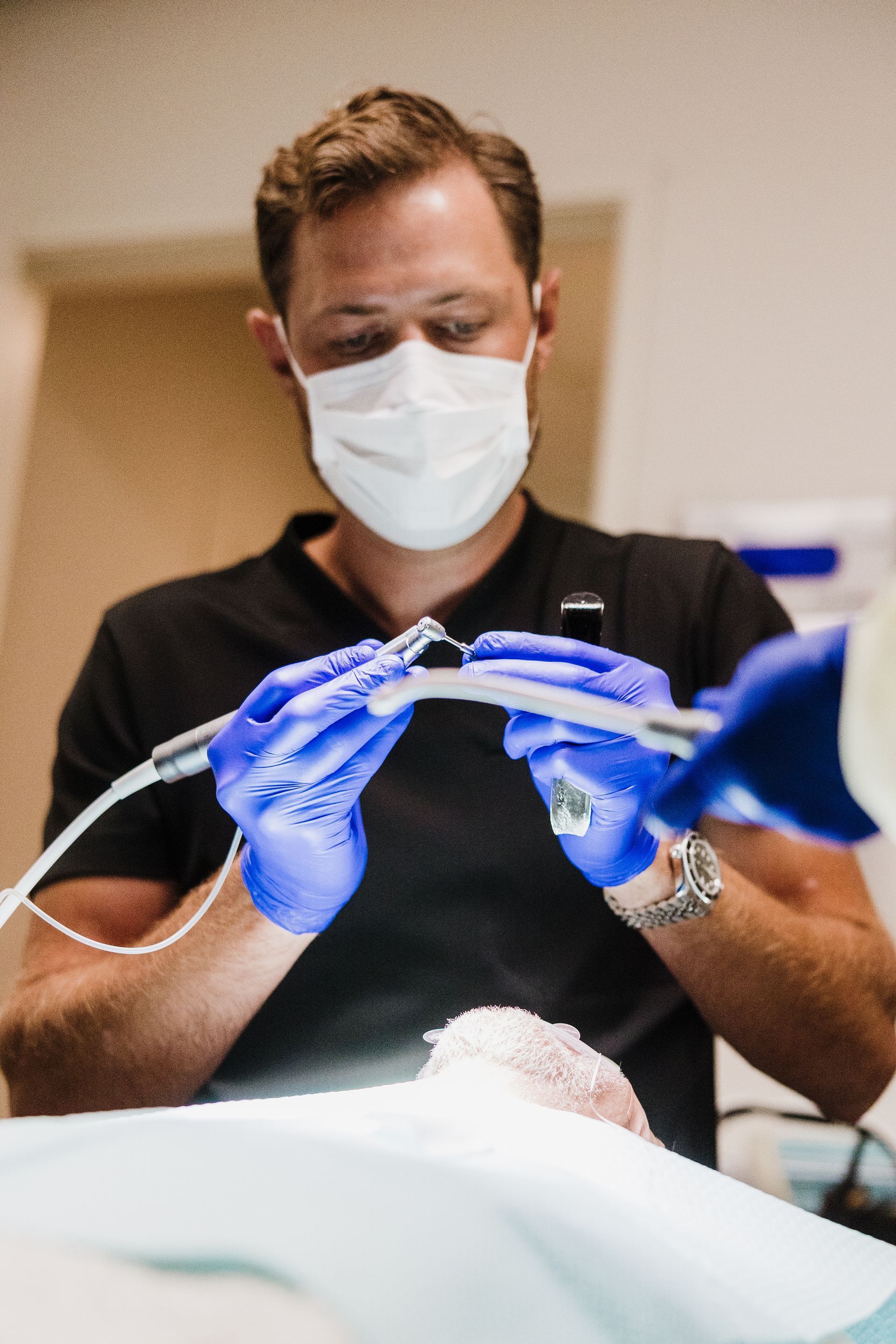
The dentist placing a first arch
You restore implants, you have patients who need full arch treatment, and you do not want to spend a decade working up to it. We start on your records and build to your first surgery.
The surgeon who wants consistency and predictability
You already place, but the outcome depends on the day and the hard cases leave your building. We tighten the protocol until the result stops being a variable.
The surgeon with one case past your current skillset
You are competent and you know exactly which case you should not do alone. Send it to me. We do it together in your operatory, and you keep the patient.
Taught by someone still operating every week
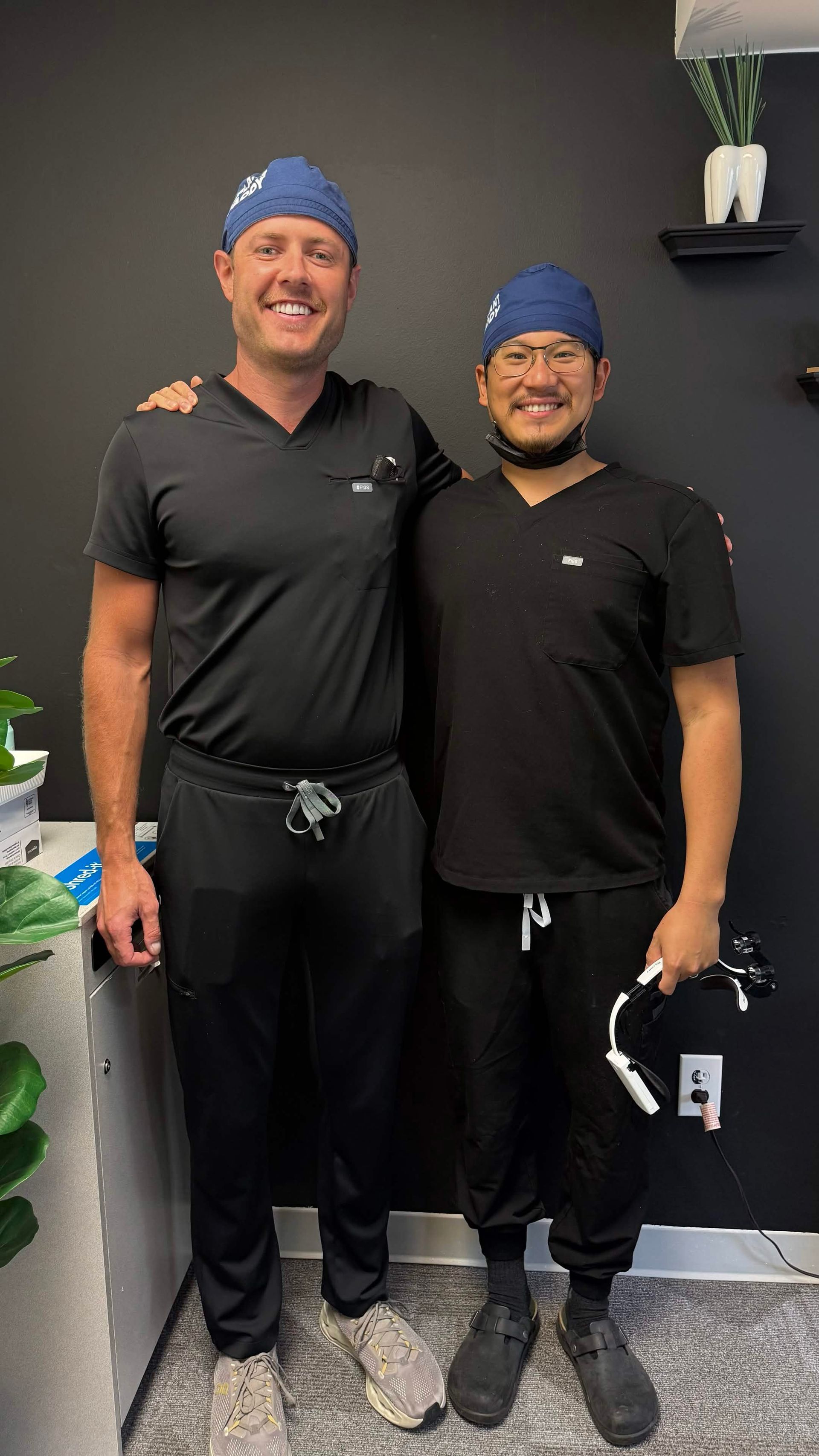
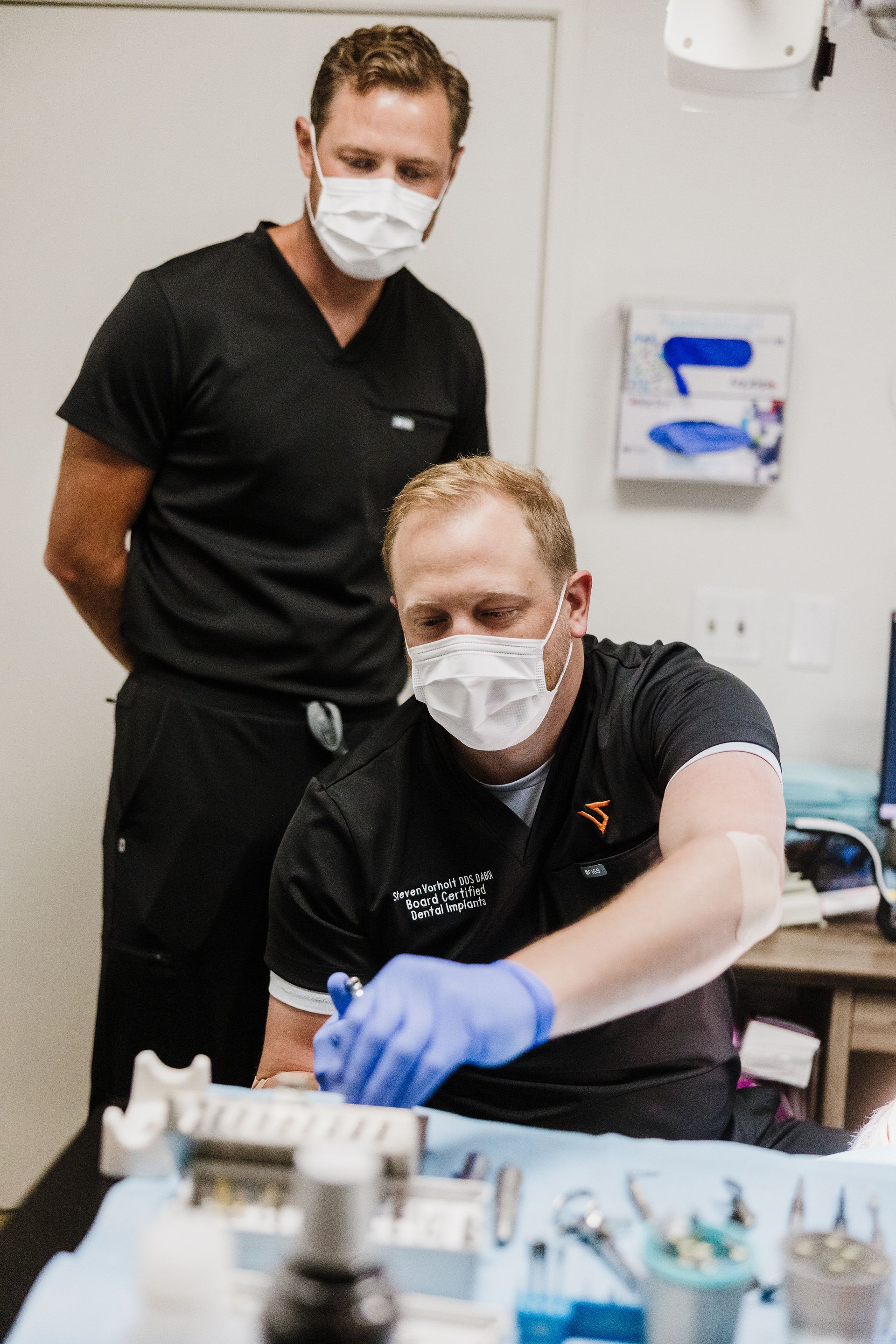
I trained under the best full arch surgeons I could find, in the US, Europe and South America, and I went straight into implant dentistry out of school. Everything I teach came out of the operatory first, which means the protocol you learn is the one I am using now, not the one I used five years ago.
Stay current, adopt the technology, and learn the sequence properly the first time.
Also available for courses and lectures
"I highly recommend Dr. Aaron Miller for anyone looking for comprehensive All-on-X mentorship. From in office over the shoulder mentoring, to multi day educational courses, Dr. Miller has accelerated my All-on-X skillset. Patient, knowledgeable and experienced, Dr. Miller’s mentorship gave me the confidence to bring All-on-X to my practice!"
- Marshall Adzima, DDS
Virginia
Clinical
Lead Doctor, Valley Dentures and Implants
Phoenix, AZ
Leadership
Director of Clinical Development
Shared Practices Group
Training
Fellowship in implant dentistry
Implant Pathway
INDUSTRY
Key Opinion Leader
Neodent
Frequently Asked Questions
What doctors typically ask before they call. Anything missing, contact me directly.
What is over-the-shoulder implant mentoring?
Mentoring that happens in your operatory, on your patients, with me standing beside you. We plan the case together, then I scrub in for the surgery and coach you through every step in real time. Nothing is simulated and nobody else owns the outcome.
Do I need implant experience before we start?
No. Several doctors start with restorative experience only. What matters is having patients who need full arch treatment, chair time to take it on, and a willingness to be coached. The doctors that typically do the best have a baseline of surgical experience and are looking to expand their skill set into full arch fixed treatment.
Where does the surgery happen?
In your practice, in your chair, with your team and your patient. I travel to you. The patient never leaves your care and the case never leaves your practice.
What is remote anchorage and why does it matter?
Remote anchorage means engaging bone outside the standard alveolar zone: zygomatic, pterygoid and palatal sites. It lets you treat atrophic maxillae and failed grafts with a fixed prosthesis instead of referring the case away or settling for a removable option.
Can you take over a case I am not comfortable with?
Yes. That is what traveling surgery is for. I fly in and perform the surgery in your operatory while you assist and observe. You keep the patient, the restorative work and the relationship.
What equipment and lab support do I need?
A CBCT, a surgical suite you can turn over, and a lab partner who can deliver a same-day conversion. If a piece is missing we sort out the vendor and lab side before the first surgery date.
What does it cost?
Mentorship is quoted per program and traveling surgery is quoted per case, because both depend on travel, complexity and how many surgical days you want. Send an inquiry and you will get a straight number.
Tell me about the case.
Send the scan, the situation and what you want out of it. I will tell you whether it is a mentorship case, a traveling surgery case, or something you should refer elsewhere.